


The Citadel Theatre is considered one of Canada’s largest regional professional theatres. It was named after a former Salvation Army building that was purchased and renovated for $150,000. At the time, no one could have predicted that the Citadel would achieve worldwide recognition. Read on to learn about the theatre’s founding and development on edmonton-trend.
The Founding of the Citadel Theatre
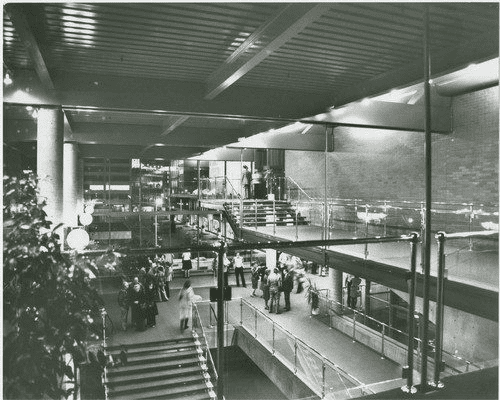
The Citadel Theatre was founded in 1965 by Joseph Shoctor along with three partners. They purchased an old Salvation Army building with the intention of establishing a live theatre venue. The founders invested $150,000 into renovations for the ageing structure. The first floor of the building housed a fine dining restaurant, “Citadel,” owned by musician Tommy Banks, while the second floor became a theatre hall with a capacity of 227 seats.
At the time of its opening, the Citadel was Edmonton’s first professional theatre. The artistic directors were John Hulbert and Robert Glenn, and the theatre initially had a cast of just five actors.
The first performance took place on November 10, 1965, featuring Edward Albee’s play Who’s Afraid of Virginia Woolf? The premiere attracted a full house of 227 audience members.
In 1968, the theatre launched a unique program called Citadel on Wheels and Wings, allowing its productions to go on tour. In 1973, John Neville was appointed as the new artistic director, ushering in a period of rapid growth for the Citadel.
The Growth of the Citadel Theatre
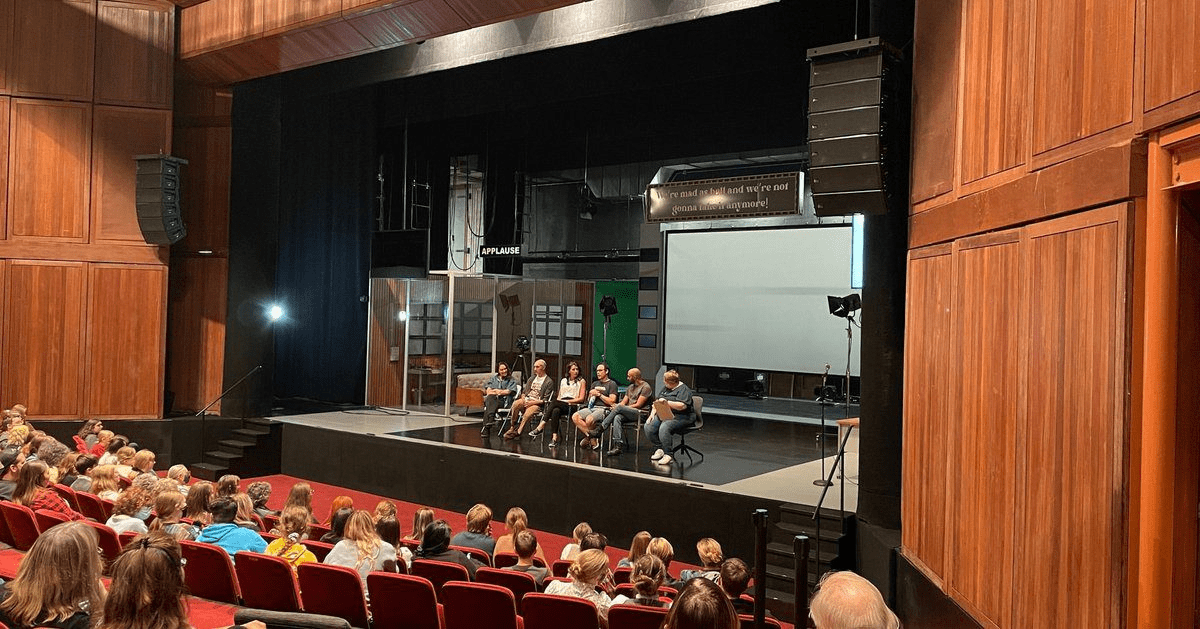
In 1974, the theatre’s leadership decided to construct a new performance complex on 99th Street, south of 102 Avenue. The project took two years to complete, and in November 1976, a major milestone was reached with the grand opening of the new theatre complex in the heart of Edmonton’s Churchill Square. The construction cost totaled $6.5 million.
The facility includes five performance spaces:
- The Shoctor Theatre (685 seats)
- The Maclab Theatre (685 seats)
- The Rice Theatre (250 seats)
- The Zeidler Theatre (240 seats)
- An amphitheatre (150 seats)
The first play performed at the new location was Romeo and Juliet. That same year, Neville introduced Citadel Too, a series of avant-garde productions aimed at younger audiences. What began as a $75,000 annual budget quickly grew into a theatre generating $10–11 million in revenue.
In 1978, British director and Tony Award-winner Peter Coe took over as artistic director. Under Coe’s leadership, the Citadel launched the International Children’s Festival, which became an annual event.
Coe stepped down in 1980, marking the beginning of a new phase for the Citadel as the first regional theatre to operate without a permanent artistic director. Instead, an administrative team managed the theatre and hired directors for individual productions.
In 1995, Duncan McIntosh was appointed artistic director, leading efforts to restore the Citadel’s national prestige. Under his guidance, the theatre became the first regional venue to collaborate with the Stratford Festival, staging the Feydeau farce A Flea in Her Ear.
That same year, Edmonton’s wealthy Hole family donated $5 million to the Citadel. This was the largest private donation ever made to a Canadian theatre.
In the fall of 1998, Bob Baker was selected as the new artistic director. His tenure became the longest in the Citadel’s history. One of Baker’s most significant contributions was shifting the theatre’s focus toward developing original plays.
In 2000, the Citadel hosted the world premiere of Tom Wood’s adaptation of Charles Dickens’ A Christmas Carol. Today, the Citadel continues to stage over 10 productions per year, maintaining its reputation as one of Canada’s premier regional theatres.